
{“@context”:”https://schema.org”,”@type”:”Article”,”headline”:”Understanding Skin Conditions: Rosacea Explained”,”description”:”Learn about rosacea causes, triggers, and evidence-based skincare solutions. Understand how to support your skin’s radiance with Regenique Elegance’s expert guidance.”,”image”:”https://blog.regenique-elegance.com/wp-content/uploads/2026/02/heroes/rosacea-hero-portrait.webp”,”datePublished”:”2026-02-16 12:00:53″,”dateModified”:”2026-02-16 12:00:53″,”author”:{“@type”:”Person”,”name”:”Dr. Judith Mendez”,”jobTitle”:”Medical Director & Skincare Wellness Advisor”},”publisher”:{“@type”:”Organization”,”name”:”Regenique Elegance”,”logo”:{“@type”:”ImageObject”,”url”:”https://blog.regenique-elegance.com/wp-content/uploads/regenique-logo.png”}}}
Understanding Skin Conditions: Rosacea Explained
If your skin frequently displays persistent redness, visible blood vessels, or an uncomfortable burning sensation, you’re not alone. Rosacea affects millions globally, yet remains one of the most misunderstood skin conditions. Rather than viewing it as a permanent limitation to your skin’s potential, understanding rosacea empowers you to support your skin’s natural resilience and reveal its inherent luminosity.

The truth is, rosacea is neither a cosmetic flaw nor a sign of poor skincare. It’s a complex inflammatory condition rooted in vascular and immunological responses. At Regenique Elegance, we believe that knowledge transforms anxiety into action. This guide unveils the mechanisms behind rosacea, helping you navigate your skin journey with confidence and clarity.
What Is Rosacea? Understanding the Fundamentals
Rosacea is a chronic inflammatory skin condition characterized by facial redness, flushing, visible blood vessels (telangiectasia), and sometimes small, acne-like bumps. Despite its prevalence, many people remain undiagnosed simply because they attribute their symptoms to sensitive skin or occasional irritation.
At the cellular level, rosacea involves dysregulation of the skin’s vascular system and immune response. The condition triggers an overactive inflammatory cascade, causing blood vessels to dilate more easily than in non-rosacea skin. This vascular hyperresponsiveness is the hallmark characteristic that distinguishes rosacea from other skin conditions.
The Four Subtypes of Rosacea
Dermatologists classify rosacea into four distinct subtypes, each presenting different characteristics:
- Subtype 1 (Erythematotelangiectatic): Persistent facial redness with visible blood vessels, flushing, and facial burning or stinging. This is the most common presentation.
- Subtype 2 (Papulopustular): Persistent facial redness combined with acne-like bumps and pustules. Often mistaken for acne, this subtype requires careful differentiation for proper treatment.
- Subtype 3 (Phymatous): Thickening of the skin, enlargement of the nose (rhinophyma), and irregular skin texture. This is the most severe presentation and less common.
- Subtype 4 (Ocular): Affecting the eyes, causing dryness, irritation, and visible blood vessels on the whites of the eyes.
Many individuals experience characteristics of multiple subtypes simultaneously, creating a unique skin profile that requires personalized understanding and care.
Identifying Triggers and Understanding Your Personal Skin Response
One of the most empowering aspects of managing rosacea is identifying your personal triggers. While rosacea isn’t caused by external factors, specific triggers consistently intensify inflammatory responses in susceptible individuals. Understanding your unique trigger pattern transforms reactive frustration into proactive management.
Common Environmental and Lifestyle Triggers
- Temperature extremes: Both hot and cold temperatures trigger vasodilation. Hot beverages, saunas, intense exercise, and cold wind exposure commonly provoke flushing.
- Spicy foods and alcohol: Capsaicin in spicy foods and histamines in alcohol directly stimulate vascular response. Red wine and spirits are particularly common culprits.
- Emotional stress: The mind-skin connection runs deep. Stress triggers the release of neuropeptides that intensify inflammation and vascular reactivity.
- Skincare products: Harsh cleansers, high concentrations of essential oils, alcohol-based formulations, and abrasive physical exfoliation compromise the skin barrier and trigger inflammatory cascades.
- Sun exposure: UV radiation directly activates vascular and immune responses, making sun protection essential for rosacea management.
- Certain medications: Topical corticosteroids, vasodilators, and some blood pressure medications can worsen symptoms.
- Hormonal fluctuations: Many women report increased flare-ups around menstrual cycles.
Creating Your Personal Trigger Journal
Rather than assuming all common triggers affect you equally, begin documenting your personal responses. Track what you ate, environmental conditions, stress levels, products used, and your skin’s reaction. Over 2-4 weeks, patterns emerge that reveal your unique inflammatory profile. This data-driven approach replaces guesswork with personalized insight.
Skincare Strategies and Supporting Radiant Skin
Managing rosacea through skincare requires a fundamentally different philosophy than standard routines. The goal isn’t to strip, exfoliate, or aggressively treat—it’s to support your skin’s natural barrier function and minimize inflammatory triggers.
Core Principles of Rosacea-Supportive Skincare
- Gentle cleansing: Use lukewarm water (not hot) with a creamy, non-foaming cleanser. Avoid physical exfoliation entirely. Pat skin dry gently rather than rubbing.
- Barrier support: Strengthen the skin barrier with ceramides, hyaluronic acid, and lipids. A compromised barrier amplifies inflammatory responses.
- Calming actives: Incorporate niacinamide, centella asiatica, and azelaic acid—scientifically proven to reduce rosacea flare-ups at the cellular level.
- Sun protection: Daily SPF 30+ is non-negotiable. Mineral formulations with zinc oxide or titanium dioxide offer soothing benefits beyond UV protection.
- Minimal product count: Fewer products mean fewer potential irritants. Focus on essential steps: cleanse, treat, moisturize, protect.
Regenique Elegance’s approach to rosacea-prone skin emphasizes this minimalist, science-backed methodology. Our formulations are deliberately crafted to support rather than stress your skin, with concentrations of actives optimized for sensitivity while delivering transformative results.
Evidence-Based Ingredients for Rosacea Management
Niacinamide (Vitamin B3): Clinical studies demonstrate that 4-5% niacinamide reduces redness, strengthens barrier function, and regulates sebaceous gland activity. It’s one of the few actives that benefits rosacea skin without irritation potential.
Azelaic Acid: At 15-20% concentration, azelaic acid modulates immune response and reduces the P. acnes and demodex populations that often accompany rosacea. It’s gentle enough for sensitive skin while delivering measurable anti-inflammatory benefits.
Centella Asiatica (Cica): This botanical powerhouse contains asiaticoside and madecassoside, compounds that reduce vascular permeability and calm inflammatory responses. It’s been used in traditional medicine for centuries and validated by modern dermatology.
Hyaluronic Acid: Rather than just hydrating, hyaluronic acid supports barrier function and reduces inflammatory signals at the cellular level. This creates a more resilient, less reactive skin environment.
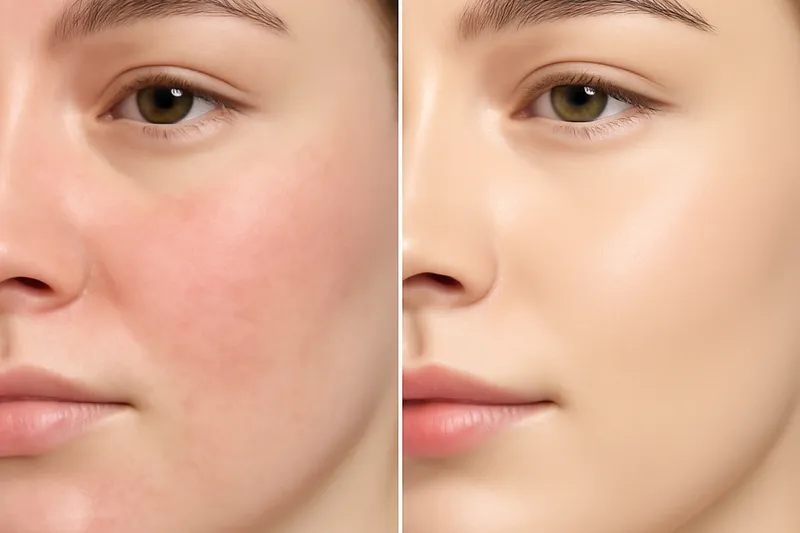
Practical Daily Routine for Rosacea-Prone Skin
Morning:
- Gentle cleanse with lukewarm water and creamy cleanser
- Pat skin dry gently
- Apply niacinamide-rich treatment or essence
- Moisturize with barrier-supportive cream
- Apply broad-spectrum SPF 30+ mineral sunscreen
Evening:
- Gentle cleanse
- Pat dry
- Apply targeted treatment (azelaic acid or centella-based serum, as tolerated)
- Moisturize generously
Weekly additions:
- One gentle hydrating mask to support barrier function
- Avoid physical or chemical exfoliation entirely
Professional Support and When to Consult a Dermatologist
While skincare provides crucial support, rosacea often benefits from professional dermatological treatment. Laser therapies, IPL (intense pulsed light), and prescription treatments like metronidazole or sulfacetamide-sulfur can significantly improve symptoms. If your symptoms are severe or unresponsive to skincare modifications, consulting a dermatologist ensures comprehensive management.
Moving Forward: Your Empowered Skin Journey
Rosacea is not a reflection of poor skin health or inadequate care—it’s a complex physiological condition that responds beautifully to informed, consistent support. Understanding the science behind your skin’s responses transforms frustration into empowerment.
The most significant shift occurs when you stop viewing rosacea as something to fight and start viewing it as something to support. By identifying your triggers, implementing barrier-strengthening skincare, and maintaining consistency, you create an environment where your skin can reveal its natural radiance.
At Regenique Elegance, we’ve developed our sensitive skin collections specifically for rosacea-prone skin—formulations that honor your skin’s needs while delivering transformative results. Explore our curated range of gentle yet effective products designed to support your unique skin journey. Your luminous, calm, resilient skin awaits.