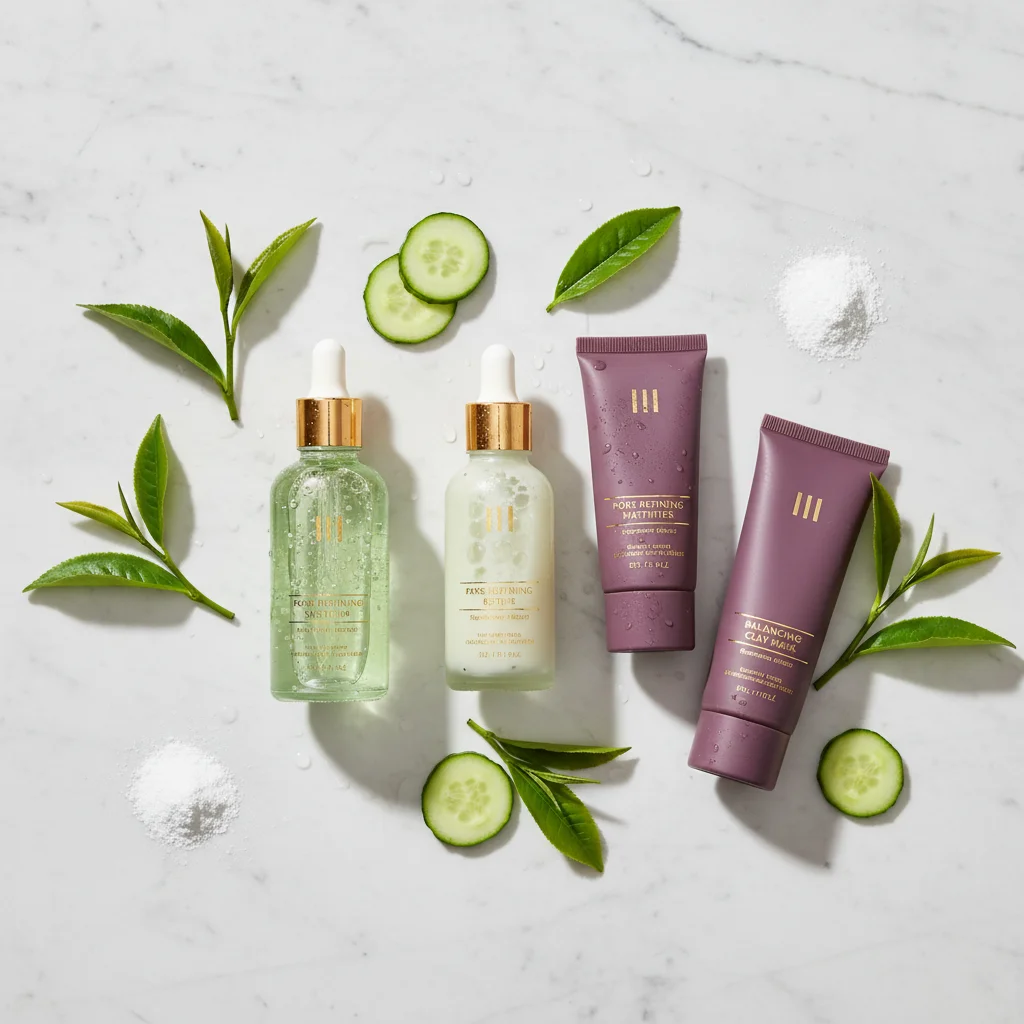
Written by Dr. Judith Mendez, M.D. | Board-Certified Dermatologist & Skincare Formulation Consultant
If you have ever blotted your face before noon, watched foundation dissolve by lunchtime, or wondered why your pores seem to have a life of their own, you are not alone. Oily and congested skin is one of the most common yet most misunderstood skin types, and the conventional wisdom surrounding it — strip the oil, dry it out, skip the moisturizer — is not only outdated but actively counterproductive.
The truth is far more nuanced, and far more empowering. When you understand the elegant science behind sebum production and pore congestion, you gain the ability to work with your skin rather than against it. The result? A complexion that is balanced, refined, and genuinely luminous — not matte to the point of lifelessness, but radiant with the kind of healthy glow that signals vitality from within.
This guide is your comprehensive roadmap. Whether you are navigating oily skin for the first time or refining a routine that has never quite worked, you will find everything you need here: the science, the rituals, the ingredients, and the seasonal adjustments that will help you reveal your most luminous complexion.
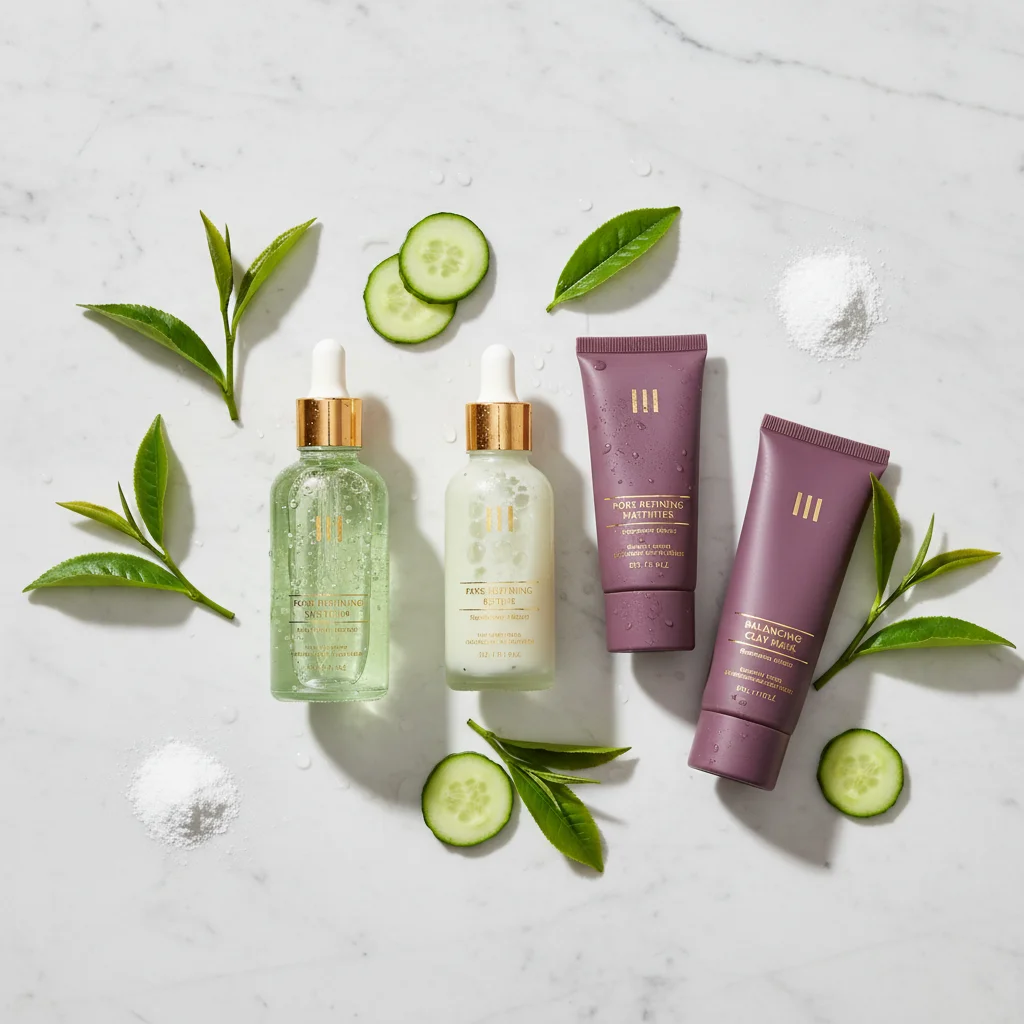
Understanding Your Skin: The Science of Oil and Congestion
Oily Skin vs. Congested Skin: A Critical Distinction
Before we build your ritual, it is essential to understand that oily skin and congested skin are related but distinct conditions — and many people experience both simultaneously.
Oily skin is characterized by overactive sebaceous glands. You notice a visible sheen across the T-zone within hours of cleansing, enlarged pores, and a persistent film of oil. This is primarily a function of genetics, hormones, and environment.
Congested skin is defined by clogged pores, textural irregularities, and a dull or bumpy appearance — blackheads, whiteheads, milia, and rough texture that makeup cannot smooth. Congestion occurs when dead cells, sebum, and debris accumulate within the pore lining, impeding the natural flow of oil.
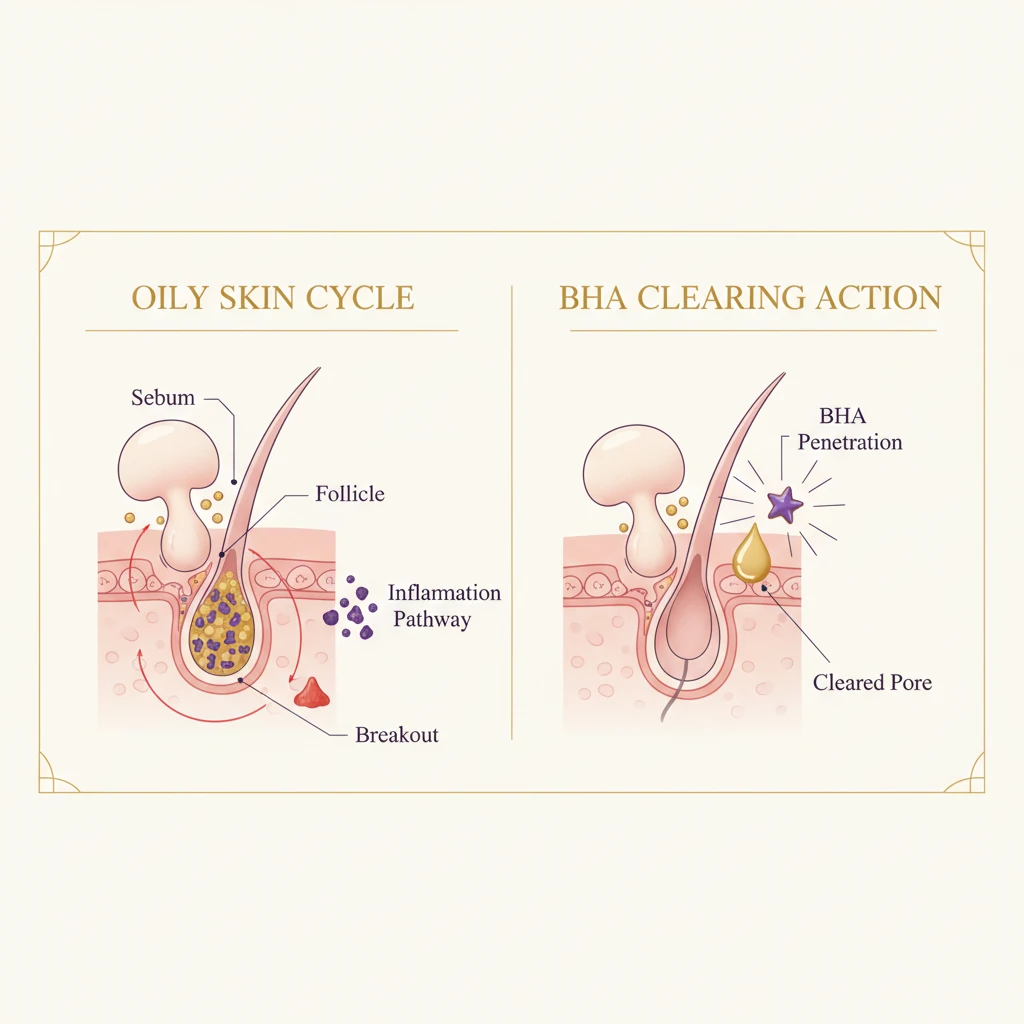
When both conditions coexist, excess sebum cannot exit the pore efficiently, creating a cycle of surface shine and subsurface buildup. Understanding this dual mechanism is the key to breaking the cycle.
At the Cellular Level: Why Your Skin Produces Excess Oil
Your sebaceous glands produce sebum — a complex lipid mixture of triglycerides, wax esters, squalene, and free fatty acids — that waterproofs the skin, maintains the acid mantle, and provides antimicrobial defense. The highest concentration of these glands is on the face, scalp, and upper chest.
Sebum production is regulated primarily by androgens, particularly dihydrotestosterone (DHT). When androgen receptors on the sebaceous glands are stimulated, the glands enlarge and increase output. This is why oily skin often intensifies during puberty, the menstrual cycle, perimenopause, and periods of chronic stress (cortisol amplifies androgen activity).
Here is where the critical insight lies: dehydration triggers more oil production, not less. When the stratum corneum (the outermost layer of the epidermis) lacks adequate water content, the skin interprets this as a barrier deficiency and signals the sebaceous glands to compensate with additional sebum. This is why harsh, stripping cleansers and alcohol-laden toners often make oily skin worse. You remove the surface oil, the skin panics, and it produces even more to compensate. It is a feedback loop that only intelligent hydration can break.
Comedogenesis: How Pores Become Congested
Pore congestion, known clinically as comedogenesis, begins when keratinocytes lining the pore shed too rapidly and become sticky — a process called retention hyperkeratosis. These cells bind together with sebum to form a plug called a microcomedone, the invisible precursor to every blackhead, whitehead, and inflammatory breakout. As the plug grows, it stretches the pore and creates an anaerobic environment ideal for Cutibacterium acnes, the bacterium implicated in inflammatory acne.
The goal of an effective oily and congested skin ritual is threefold: regulate sebum production at the source, dissolve existing congestion with targeted exfoliation, and maintain hydration without comedogenic ingredients that perpetuate the cycle.
How to Identify Oily and Congested Skin
You likely have oily and congested skin if you recognize three or more of the following:
- Visible shine across the forehead, nose, or chin within two to three hours of cleansing
- Enlarged or visible pores, particularly around the nose, inner cheeks, and chin
- Persistent blackheads that return even after extraction
- A rough or bumpy texture when you run your fingers across the skin, even in the absence of active breakouts
- Foundation or concealer that separates, slides, or appears patchy by midday
- Periodic breakouts concentrated in the T-zone or along the jawline
- A dull, sallow tone despite consistent cleansing
Common Triggers to Address
Beyond genetics and hormones, several modifiable factors influence oily and congested skin:
- Over-cleansing: Washing more than twice daily or using sulfate-heavy cleansers strips the acid mantle and triggers reactive sebum production.
- Heavy, occlusive creams: Rich formulas designed for dry skin can suffocate oily skin, trapping sebum beneath a layer of wax or silicone.
- Hormonal fluctuations: Menstrual cycles, hormonal contraceptive changes, perimenopause, and chronic stress all modulate androgen activity.
- Stress: Cortisol amplifies sebum output and impairs the skin barrier, compounding both oiliness and congestion.
- Diet: High-glycemic foods and dairy have been associated in clinical literature with increased sebum production and comedone formation.
- Environmental factors: Humidity, pollution, and comedogenic sunscreen formulas can all exacerbate congestion.
The Morning Ritual: Your AM Routine for Balanced, Refined Skin
Your morning ritual is about protection and balance. The goal is to gently cleanse overnight sebum, regulate oil production for the day ahead, hydrate without heaviness, and shield the skin from UV damage and environmental aggressors. Each step is intentional; none is optional.

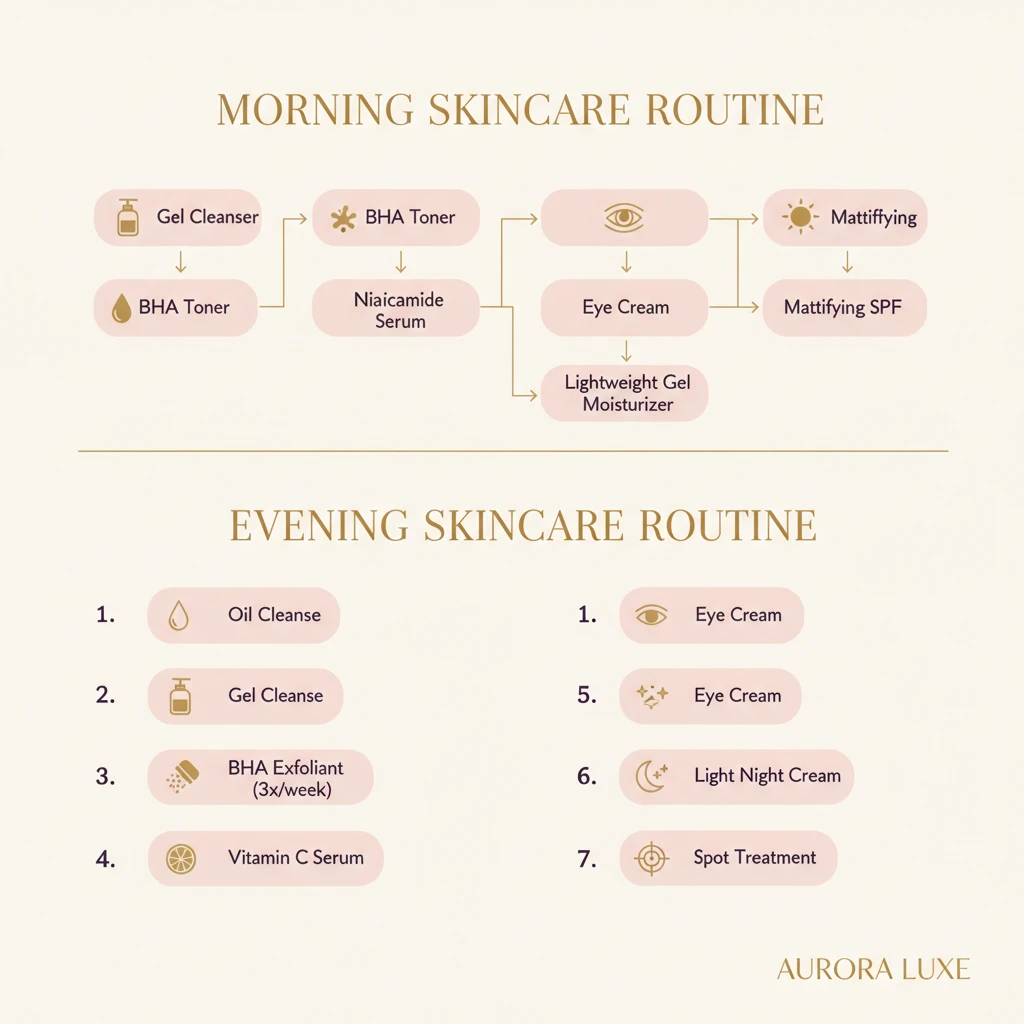
Step 1: Gel or Foam Cleanser
Begin with a gel or foam cleanser formulated with salicylic acid (0.5 to 2 percent) or tea tree oil. These dissolve excess surface oil and provide gentle antibacterial activity without compromising the acid mantle. Look for formulas that lather lightly without leaving the skin tight — that squeaky sensation indicates over-stripping.
Massage onto damp skin for thirty to sixty seconds, focusing on the T-zone and congestion-prone areas. Rinse with lukewarm water — hot water stimulates the sebaceous glands.
Step 2: Balancing Toner
A well-formulated toner rebalances the skin’s pH and delivers a first layer of active ingredients. Look for toners with niacinamide, witch hazel (alcohol-free distillate), or centella asiatica to calm inflammation and tighten pore appearance.
Press into the skin with clean palms or a soft cotton pad. Allow sixty seconds for absorption before the next step.
Step 3: Niacinamide Serum
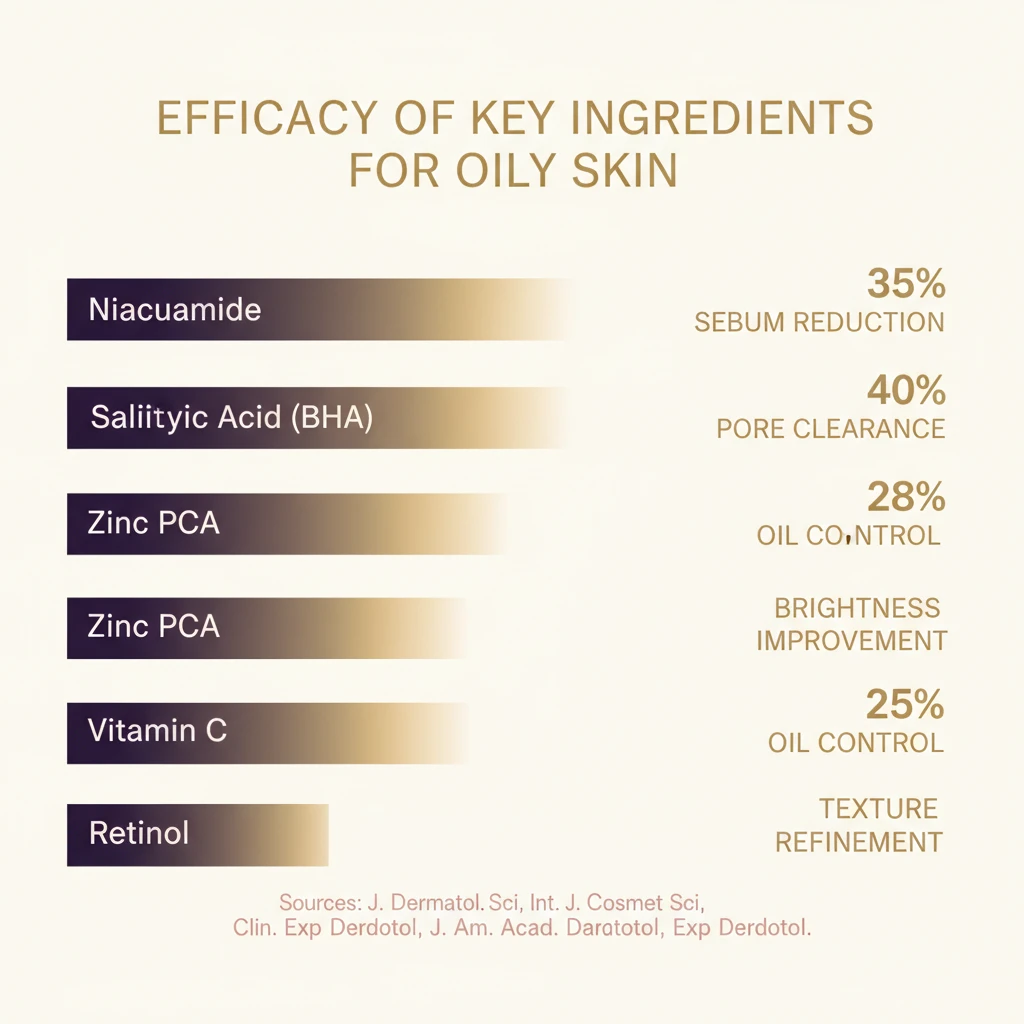
This is the cornerstone of your morning ritual. Niacinamide at 5 to 10 percent is one of the most well-documented ingredients for oily skin — clinical studies show it reduces sebum production by up to 30 percent over eight weeks while minimizing pore appearance and strengthening the barrier.
Apply two to three drops and press gently into the skin, focusing on the T-zone and areas of visible congestion.
We recommend the Niacinamide Brightening Serum from our curated collection — formulated at an optimal concentration to regulate sebum while revealing a more even, luminous tone.
Step 4: Lightweight Eye Cream
The periorbital area has fewer sebaceous glands and requires dedicated hydration. Choose a lightweight, gel-based eye cream with peptides or caffeine. Apply a pea-sized amount using your ring finger and pat gently along the orbital bone.
Step 5: Oil-Free Gel Moisturizer
Even oily skin requires a moisturizer — this step is non-negotiable. Choose a lightweight, oil-free gel moisturizer with hyaluronic acid, which draws moisture into the skin without adding occlusive oils. Look for formulas that also include glycerin, aloe vera, or squalane.
Apply a thin layer across the face and neck. The gel texture absorbs rapidly, leaving a smooth, hydrated canvas for sunscreen and makeup.
Step 6: Lightweight SPF 50
For oily and congested skin, choose a mattifying, non-comedogenic SPF 50 with a lightweight, fluid texture. Mineral formulas (zinc oxide, titanium dioxide) offer natural oil-absorbing properties; chemical formulas work equally well if labeled non-comedogenic.
Apply generously — approximately one-quarter teaspoon for the face alone. Reapply every two hours during sun exposure. The right sunscreen should feel weightless, control shine, and serve as an elegant base for makeup or a polished bare-face finish.
The Evening Ritual: Your PM Routine for Deep Purification and Renewal
Your evening ritual is about deep cleansing, active treatment, and recovery. This is when you remove the accumulated debris of the day, deliver your most potent actives, and support the skin’s natural overnight regeneration cycle. The evening routine is longer and more treatment-focused than the morning, and it is where the most transformative results are achieved.
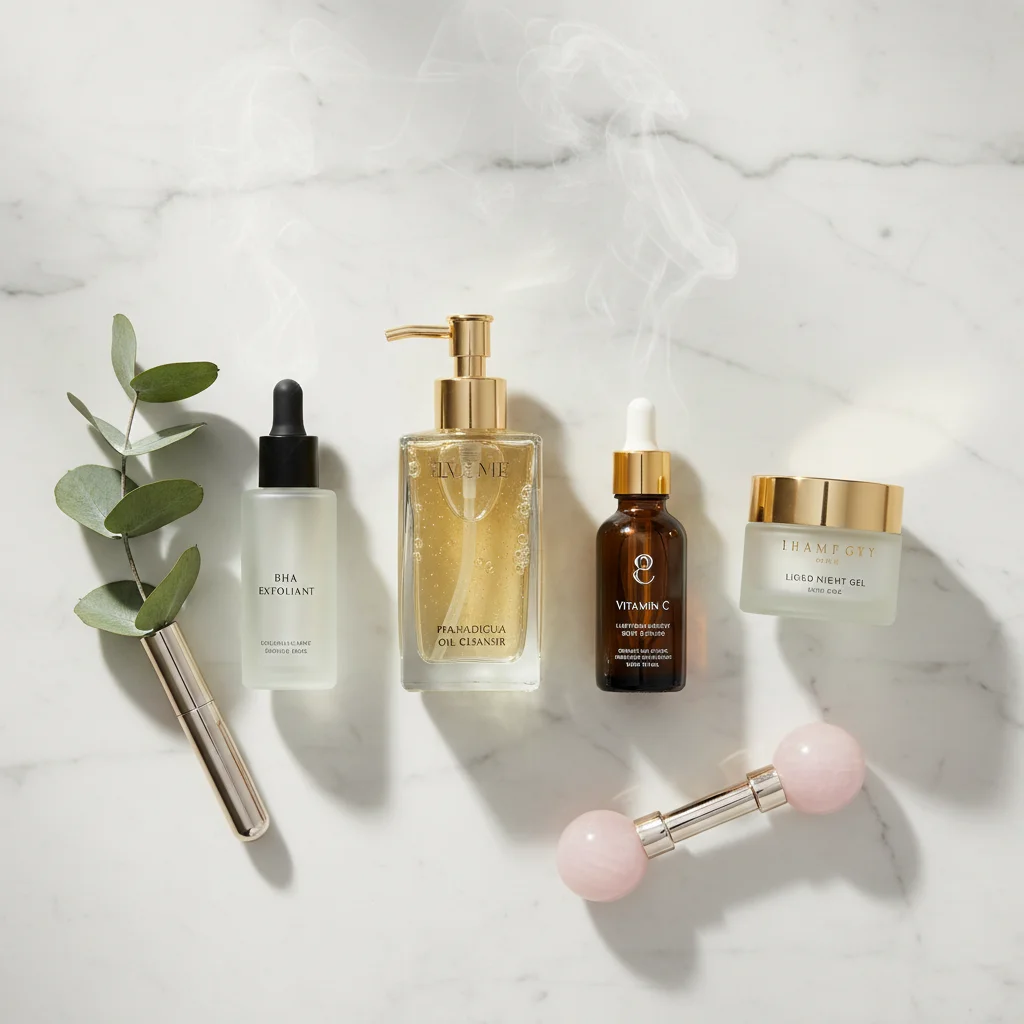
Step 1: Oil Cleanse
Yes, even for oily skin. The principle is simple: like dissolves like. A cleansing oil formulated with lightweight, non-comedogenic oils (jojoba, grapeseed, or sunflower seed) dissolves sebum, sunscreen, makeup, and pollutants far more effectively than any water-based cleanser alone.
Apply to dry skin and massage for sixty to ninety seconds. You will feel the grit of dissolved blackheads and sunscreen — this is precisely the point. Add a splash of water to emulsify into a milky consistency, then rinse thoroughly.
Step 2: Gel or Foam Cleanse (Second Cleanse)
Follow immediately with your gel or foam cleanser to remove any residual oil cleanser and ensure the pores are completely clean. This double-cleanse method, rooted in Korean and Japanese skincare traditions, is the gold standard for oily and congested skin. The first cleanse dissolves oil-based debris; the second cleanse addresses water-based impurities.
Step 3: BHA Exfoliant (Three Nights Per Week)
On designated exfoliation nights (Monday, Wednesday, and Friday), apply a salicylic acid (BHA) exfoliant at 2 percent. BHA is oil-soluble, meaning it penetrates into the pore lining to dissolve the plugs that cause blackheads and texture.
Apply to clean, dry skin and allow five minutes to penetrate before proceeding. No need to rinse. Skip this step on non-exfoliation nights.
Explore our curated collection of exfoliants and masks to find the BHA treatment that complements your unique skin journey.
Step 4: Vitamin C Serum
Vitamin C (L-ascorbic acid at 10 to 20 percent) neutralizes free radical damage, inhibits melanin production to brighten skin tone, and supports collagen synthesis for a firmer texture over time.
Apply two to three drops after your exfoliant (or directly after cleansing on non-exfoliation nights). Vitamin C pairs synergistically with niacinamide (used in the morning), creating a complementary antioxidant strategy across the full day.
We recommend the Vitamin C Booster Serum — a stabilized, potent formula designed to brighten and protect without irritating sensitized or congested skin.
Step 5: Eye Cream
Apply your lightweight eye cream, or switch to a slightly richer formula if the periorbital area tends toward dryness. Retinol-infused eye creams can be beneficial in the evening — introduce gradually to assess tolerance.
Step 6: Lightweight Night Moisturizer
Your evening moisturizer can be marginally richer than the morning formula but should still avoid heavy occlusives. Look for ceramides (barrier reinforcement), peptides (overnight repair), and centella asiatica (anti-inflammatory). A lightweight lotion or gel-cream texture is ideal.
Step 7: Lip Treatment
The lips lack sebaceous glands and are prone to dehydration regardless of skin type. Apply a nourishing lip balm with shea butter, vitamin E, or lanolin to keep the lips protected overnight.
Weekly Treatment Schedule
Consistency transforms routines into rituals. Use this weekly schedule to layer your treatments strategically, ensuring maximum efficacy without over-stressing the skin.
| Day | Morning Focus | Evening Focus | Special Treatment |
|---|---|---|---|
| Monday | Full AM ritual | Double cleanse + BHA exfoliation | Salicylic acid 2% after cleansing |
| Tuesday | Full AM ritual | Basic PM routine (no exfoliant) | Clay mask for 10 minutes before PM cleanse |
| Wednesday | Full AM ritual | Double cleanse + BHA exfoliation | Salicylic acid 2% after cleansing |
| Thursday | Full AM ritual | Basic PM routine (no exfoliant) | Rest night — focus on hydration and repair |
| Friday | Full AM ritual | Double cleanse + BHA exfoliation | BHA + pore-refining niacinamide treatment |
| Saturday | Full AM ritual | Basic PM routine (no exfoliant) | Clay mask + extra hydrating serum layer |
| Sunday | Full AM ritual | Basic PM routine (no exfoliant) | Cryo globe massage (5 min) + lightweight sheet mask |
Clay masks: Kaolin and bentonite draw excess oil from pores. Limit to twice weekly and always follow with a hydrating serum. Apply evenly, allow eight to ten minutes (not until cracking), and rinse with lukewarm water.
Cryo globes: These chilled glass tools provide lymphatic massage that reduces puffiness and temporarily tightens pore appearance. Roll in upward, outward strokes for three to five minutes as a restorative Sunday treatment.
Ingredient Spotlight: The Science Behind Your Ritual
Understanding why each ingredient works empowers you to make informed choices and adapt your routine as your skin evolves. These five ingredients form the scientific foundation of an effective oily and congested skin ritual.
Niacinamide (Vitamin B3)
What it does: Niacinamide regulates sebum production by influencing lipid synthesis within the sebaceous gland. Clinical trials demonstrate measurable sebum reduction after four to eight weeks at 2 to 5 percent concentrations.
Additional benefits: Strengthens the lipid barrier, reduces transepidermal water loss, brightens hyperpigmentation, and minimizes pore appearance. One of the most versatile and well-tolerated actives available.
How to use: Apply a 5 to 10 percent serum in the morning after toner. Pairs with virtually every other active, including retinoids, vitamin C, and BHAs.
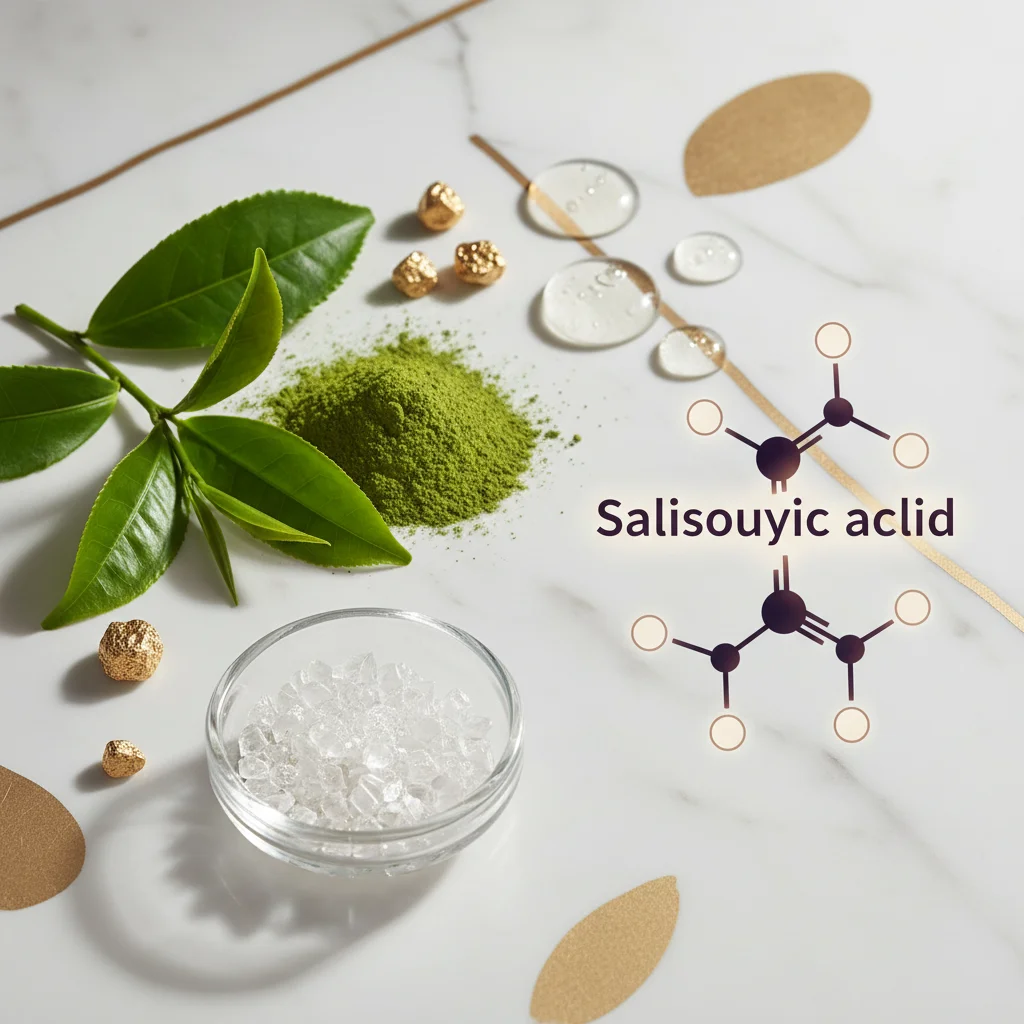
Salicylic Acid (Beta Hydroxy Acid / BHA)
What it does: The only commonly used hydroxy acid that is lipophilic (oil-soluble), BHA dissolves into sebum inside pores and exfoliates from within — while AHAs work only on the surface, BHA works inside the pore.
Additional benefits: Inherent anti-inflammatory properties (related to aspirin) and mild antibacterial activity against Cutibacterium acnes.
How to use: Apply 2 percent BHA to clean, dry skin three evenings per week. Allow five minutes for penetration. Begin with once weekly if new to chemical exfoliation.
Zinc (Zinc PCA / Zinc Gluconate)
What it does: Zinc is a trace mineral with powerful anti-inflammatory and sebum-regulating properties. Zinc PCA (pyrrolidone carboxylic acid) has been shown in clinical studies to reduce sebum production by inhibiting the enzyme 5-alpha reductase, which converts testosterone to the more potent DHT that stimulates the sebaceous glands.
Additional benefits: Zinc accelerates wound healing, supports the skin’s innate immune defense, and has demonstrated antimicrobial activity against acne-causing bacteria. It is especially valuable for oily skin that is also prone to redness and post-inflammatory erythema.
How to use: Look for zinc PCA or zinc gluconate in serums, moisturizers, or targeted spot treatments. It works synergistically with niacinamide and can be used both morning and evening.
Green Tea Extract (Epigallocatechin Gallate / EGCG)
What it does: The polyphenols in green tea, particularly EGCG, reduce sebum production, inhibit acne-causing bacteria, and calm inflammation. Research in the Journal of Investigative Dermatology found that EGCG modulates sebocyte proliferation and lipogenesis at the cellular level.
Additional benefits: Broad-spectrum antioxidant protection against UV and pollution damage, redness reduction, and barrier support. One of the gentlest yet most effective botanical actives for oily skin.
How to use: Found in toners, serums, and moisturizers. Use morning or evening. Layers beautifully with niacinamide and hyaluronic acid.
Hyaluronic Acid
What it does: Hyaluronic acid is a naturally occurring glycosaminoglycan that holds up to 1,000 times its weight in water. For oily skin, it provides the hydration needed to interrupt the dehydration-to-overproduction feedback loop — without adding oil.
Additional benefits: Multi-molecular-weight formulas hydrate at multiple depths. High molecular weight HA forms a breathable moisture film on the surface; low molecular weight HA penetrates deeper to plump from within. The result is improved texture, diminished fine lines, and a smooth, refined canvas.
How to use: Apply to slightly damp skin (after toner, before moisturizer) morning and evening. Seal with a lightweight moisturizer.
Seasonal Adjustments: Adapting Your Ritual Through the Year
Your skin is a living organ that responds to environmental shifts. A ritual that works beautifully in spring may need refinement in the depths of winter. Here is how to adapt intelligently.
Summer: Heat, Humidity, and UV Intensity
Warm, humid weather amplifies sebum production and increases the likelihood of sweat-related congestion. Adjust your ritual accordingly:
- Switch to a mattifying SPF: Choose a mineral sunscreen with oil-absorbing zinc oxide. Reapply with pressed powder SPF for touch-ups.
- Carry blotting papers: Press oil-absorbing sheets against the T-zone to remove shine without disrupting sunscreen.
- Lighten your layers: A hyaluronic acid serum alone may suffice under sunscreen on particularly hot days.
- Increase clay mask frequency: Add a third weekly clay mask during prolonged heat.
- Double cleanse every evening: Sweat, sunscreen, and pollution make the double cleanse essential in summer.
Winter: Cold, Dry Air, and Indoor Heating
Cold weather and forced-air heating strip moisture from the skin, which can paradoxically make oily skin more oily as the sebaceous glands overcompensate for barrier dehydration. Adjust with care:
- Upgrade your moisturizer slightly: Switch from a pure gel to a gel-cream with ceramides or squalane — not a heavy cream, just a slightly richer version of your lightweight formula.
- Reduce exfoliation frequency: If you notice irritation or dryness, reduce BHA from three nights per week to two.
- Layer humectants: Apply hyaluronic acid to damp skin and seal with moisturizer. Add a hydrating mist throughout the day to counteract indoor heating.
- Use a humidifier: Maintain 40 to 60 percent humidity in your bedroom to reduce transepidermal water loss.
- Maintain your SPF: Snow reflects up to 80 percent of UV rays. Do not skip sunscreen in winter.
Ingredients to Approach with Caution
Not every popular ingredient suits oily and congested skin. Avoid coconut oil (rated 4/5 on the comedogenicity scale), denatured alcohol (strips the barrier and triggers reactive sebum), sodium lauryl sulfate (over-strips natural lipids), and heavy silicone primers (can trap debris if not double-cleansed). Fragrant essential oils like peppermint and citrus should be used sparingly, as they can inflame already-congested skin.
A Final Word: Working With Your Skin
Oily skin is not a flaw to be corrected. It is a skin type with distinct advantages: it tends to maintain elasticity longer, resists fine lines more gracefully, and possesses a natural luminosity that drier skin types work diligently to achieve. The goal is not to eliminate oil — it is to regulate it, keep pores clear, and ensure the skin beneath is hydrated, nourished, and protected.
When you achieve this balance, shine transforms into glow, texture smooths into refinement, and the complexion reveals the luminous vitality that has been there all along. Be patient with the process. Allow four to eight weeks of consistent use before evaluating a new routine. Trust the science. Honor the ritual.
Timeless beauty, refined.
Complete Your Oily Skin Ritual
Download Your Complete Oily Skin Ritual Guide
Save this ritual as a beautifully designed PDF to reference every morning and evening.
Dr. Judith Mendez, M.D., is a board-certified dermatologist and skincare formulation consultant specializing in sebum regulation, acne pathophysiology, and barrier science. She serves as a clinical advisor to Regenique Elegance.