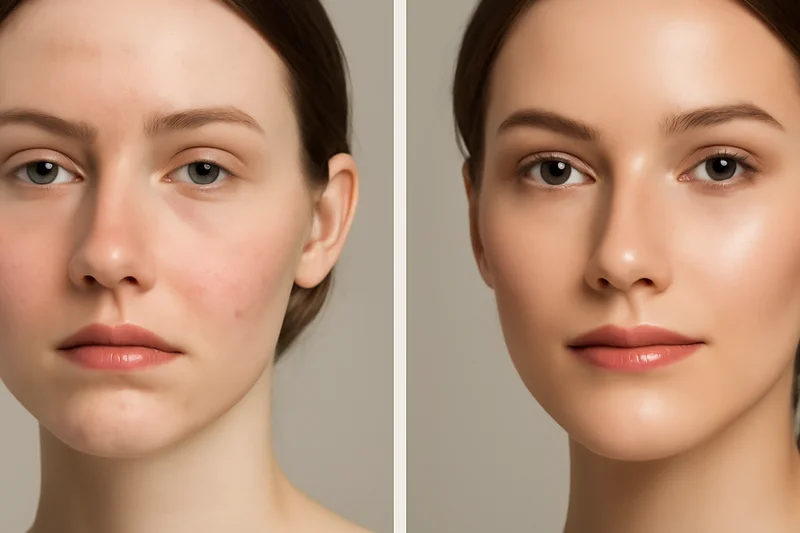
Understanding the Nuances of Skin Sensitivity
In the realm of skincare, the terms “skin sensitivity” and “sensitized skin” are often thrown around, yet they represent distinctly different experiences on your skin journey. Understanding these differences is not merely a matter of semantics; it is vital for making informed choices that can transform your skincare routine and reveal the luminous, radiant skin you deserve.

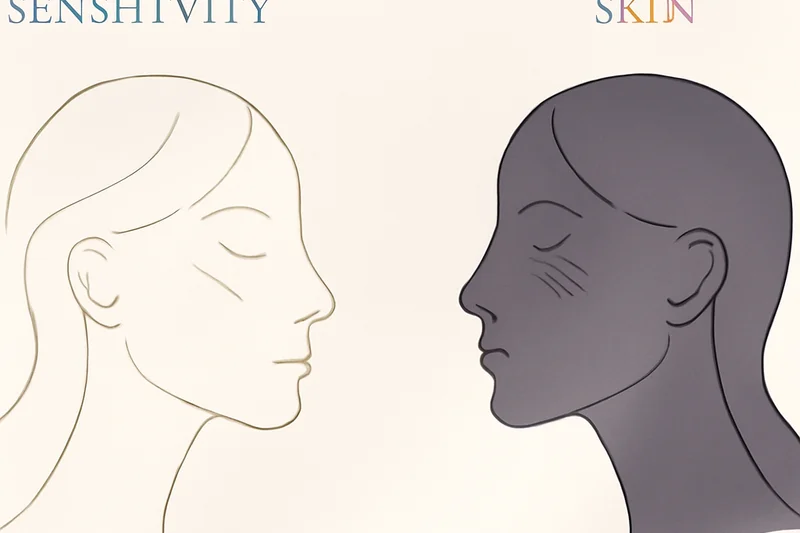
What is Skin Sensitivity?
Skin sensitivity refers to a heightened state of reactivity in the skin, often characterized by discomfort, redness, and a tendency to react to environmental factors or various skincare products. Common triggers include:
- Harsh weather conditions
- Friction from clothing or accessories
- Active ingredients in topical products
- Dietary factors, such as spicy foods or alcohol
Individuals with sensitive skin may notice that even the gentlest formulations cause irritation. This reactivity can stem from a variety of sources, including genetic predisposition, but understanding your skin’s unique constitution is crucial. Knowledge of your skin’s baseline can guide you toward more suitable products that won’t compromise your skin’s integrity.
What is Sensitized Skin?
Sensitized skin, on the other hand, is often a temporary condition triggered by external aggressors. Unlike skin sensitivity, which can be inherent, sensitized skin is the result of cumulative factors. These may include:
- Excessive sun exposure, leading to inflammation
- Overuse of active ingredients, which can disrupt the skin barrier
- Exposure to environmental pollutants or allergens
- Stress factors and lifestyle choices
When your skin is sensitized, it often presents with signs such as redness, itching, or a burning sensation. The good news is, unlike intrinsically sensitive skin, sensitized skin can often be calmed and restored to its original state with intentional care and adjustments in your skincare routine.
Practical Tips to Combat Skin Sensitivity and Sensitized Skin
Whether you’re dealing with inherent sensitivity or temporary sensitization, taking actionable steps can empower you to achieve a healthy, radiant complexion. Here are some essential tips:
1. Always Patch Test New Products
Before introducing a new product into your skincare routine, perform a patch test to gauge your skin’s reaction. This can save you from unnecessary discomfort and help to ensure that your skin remains balanced.
2. Opt for Gentle, Nourishing Ingredients
Look for formulations that are specifically designed for sensitive or sensitized skin. Ingredients such as:
- Calming botanicals (like chamomile or aloe vera)
- Antioxidants (to protect at the cellular level)
- Hydrating agents (like hyaluronic acid)
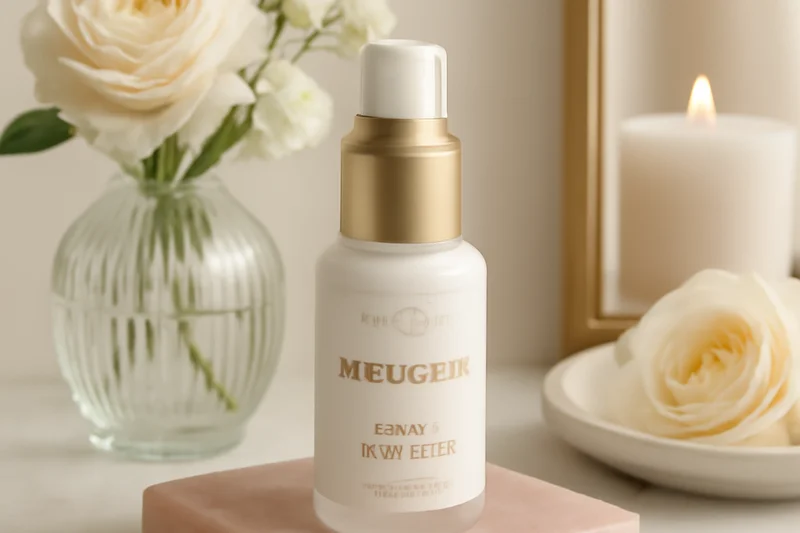
These can reinforce the skin barrier while minimizing irritation. For an elegant addition to your skincare routine, consider our Regenique Elegance Calming Serum, designed to soothe and shield while enhancing luminosity.
3. Prioritize Sun Protection
Daily sun protection is crucial, especially for sensitive or sensitized skin. Choose a broad-spectrum sunscreen that is fragrance-free and formulated for delicate skin. This simple act can prevent further irritation and allow your skin to heal effectively.
Finding Balance and Confidence in Your Skin Journey
Understanding the distinctions between skin sensitivity and sensitized skin is the first step towards a more empowered skincare experience. The journey to a radiant complexion doesn’t have to be daunting. By employing thoughtful, science-backed approaches, you can reveal the best version of your skin.
At Regenique Elegance, we believe in the transformative power of education and the importance of tailoring your skincare regimen to serve your unique needs. Our carefully crafted products are designed to support your skin at a cellular level, ensuring you delight in the luminous results.
Join us as you continue your skincare journey. Discover our luxurious range of products that not only prioritize your skin’s health but also celebrate your individuality. Your path to radiant skin starts here.